
In New York City, the Facade Inspection Safety Program (FISP), formerly known as Local Law 11, mandates that owners of buildings with six or more stories maintain their facades in a safe condition. This requires periodic inspections to identify and address any potential hazards.
Why is Local Law 11 Important?
Following several incidents of exterior wall failures in 1998, New York City Council enacted Local Law 11. The primary goal of these inspections is to ensure the structural integrity of building exteriors and safeguard the public from unsafe conditions.
Understanding Local Law 11 Requirements
Local Law 11 expanded the regulations for the inspection and maintenance of buildings with six or more stories. Building owners are required to engage a qualified professional engineer or registered architect to conduct a comprehensive inspection of the entire building, including all exterior walls and appurtenances.
These thorough inspections, often involving close-up examinations via scaffolding from the ground to the roof, must adhere to specific guidelines set forth by the Department of Buildings (DOB). The inspecting professional must assess the condition of walls and appurtenances, comparing their current state to previous Local Law 11 reports.
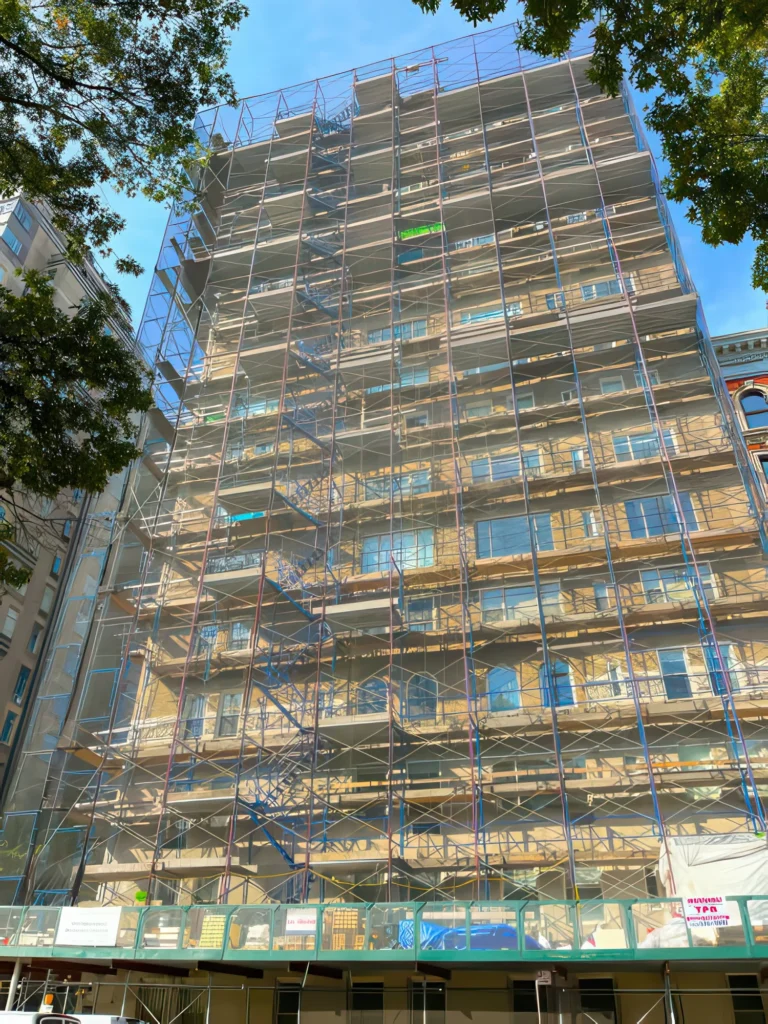
A significant change introduced by the law was the elimination of the “precautionary filling status.” Instead, the inspecting professional must now classify the building’s condition as either “safe,” “unsafe,” or “safe with a repair and maintenance program.” Importantly, both the building owner and the inspecting professional are required to sign the inspection report.
The Evolution to FISP
In 2010, Local Law 11 was officially renamed the Façade Inspection Safety Program (FISP), and a system of staggered filing cycles was implemented. Subsequent updates to the program have included more rigorous inspections of balconies, guardrails, and fire escapes to ensure code compliance and structural stability. The 2015 cycle further mandated the inclusion of handrails in inspection reports.
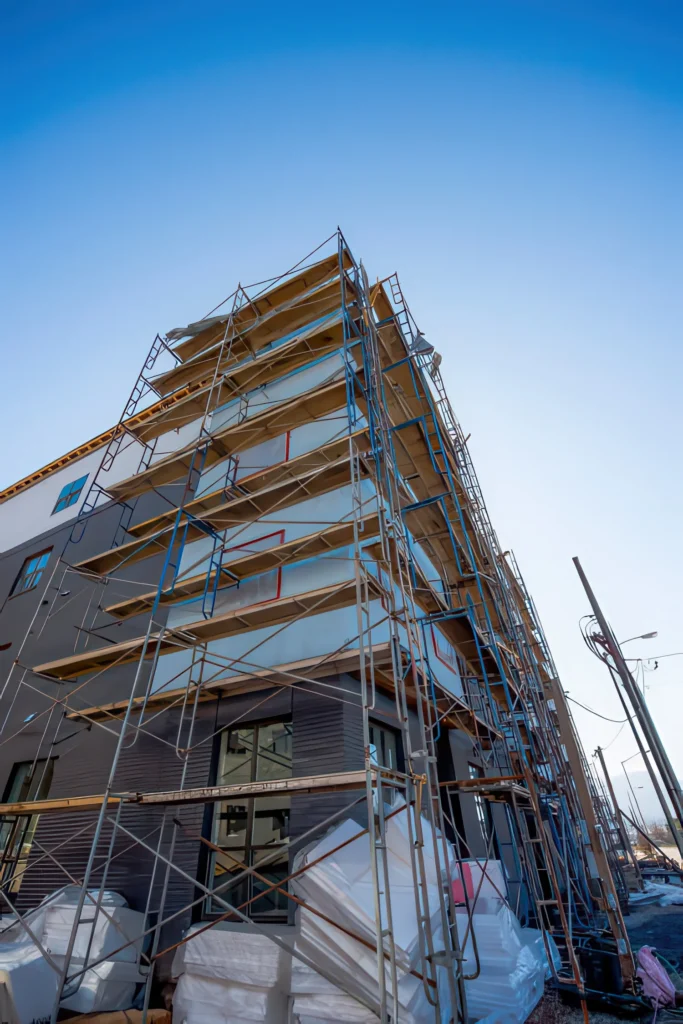
The Typical Local Law 11 Inspection Process
A Local Law 11 (FISP) inspection involves both visual assessments from the street and detailed close-up examinations of the facade. Key elements reviewed include:
Identifying Unsafe Exterior Conditions
Any condition that poses a potential risk to public safety is classified as unsafe. Examples of unsafe conditions include:
Building owners are required to address any identified unsafe conditions within thirty days. An amended report must then be filed with the DOB to confirm that these issues have been resolved. Extensions for repairs may be granted under certain circumstances.
The Evolution to FISP
In 2010, Local Law 11 was officially renamed the Façade Inspection Safety Program (FISP), and a system of staggered filing cycles was implemented. Subsequent updates to the program have included more rigorous inspections of balconies, guardrails, and fire escapes to ensure code compliance and structural stability. The 2015 cycle further mandated the inclusion of handrails in inspection reports.
Fees Associated with Filing
As per the information provided, the initial report filing fee is $265. Subsequent reports cost $100, and a request for an extension incurs a fee of $135. Please note that these fees are set by the Department of Buildings and may be subject to change.
Local Law 11 and New Buildings
New buildings receive a temporary Certificate of Occupancy. Following this, a five-year grace period begins. Once this period expires, the building must be filed within the current FISP cycle.
Understanding Violations
If a DOB inspector identifies an unsafe condition during a follow-up visit, even if safety measures are in place or repairs are underway, a DOB violation will be issued.
More serious violations, known as ECB violations, can result in penalties and court appearances. These occur when a reinspection reveals that unsafe conditions have not been adequately addressed or that repairs have not commenced.
Failure to file required inspection reports can lead to annual penalties exceeding $1,000. Similarly, neglecting to correct an unsafe condition can result in a $1,000 monthly penalty until the issue is resolved (unless an extension has been granted).
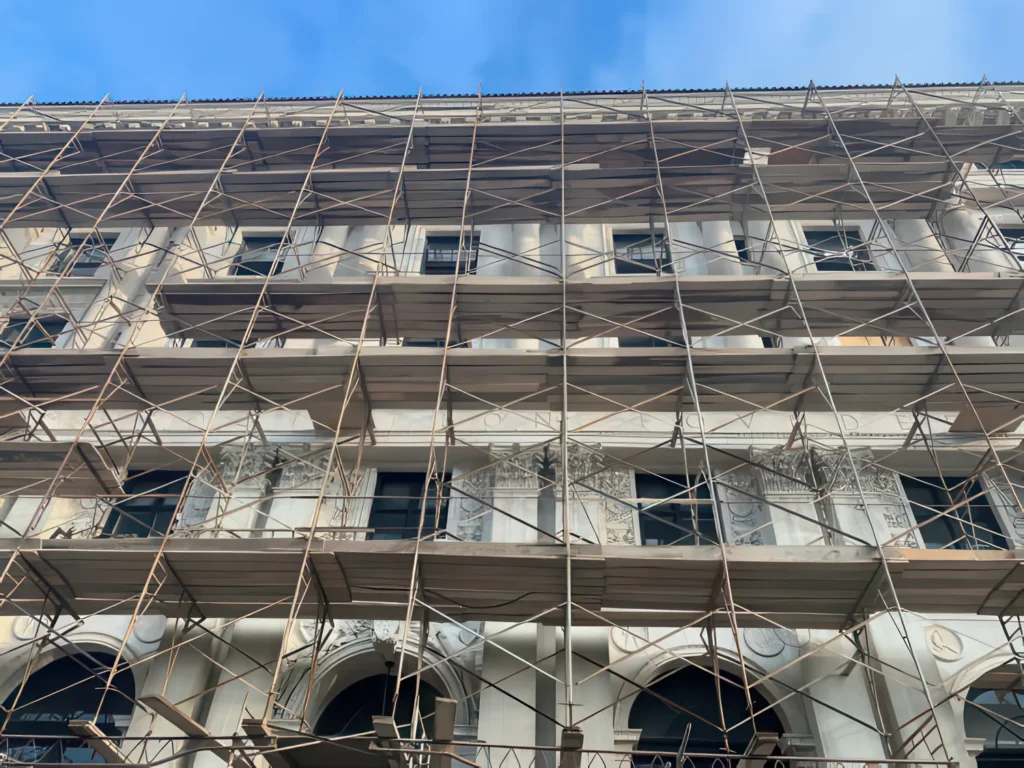
Online Filing Requirements
Since September 2016, all building owners, managers, and design professionals are required to utilize the DOB’s online platform for submitting FISP filings. Electronic signatures from owners are also mandatory.
AHM Builders: Your Trusted Partner for Local Law 11 Compliance
Navigating the complexities of Local Law 11 (FISP) can be challenging. At AHM Builders, we understand the importance of ensuring your building’s safety and compliance with all NYC regulations. Our experienced team provides comprehensive Local Law 11 inspection and repair services, offering you peace of mind and protecting your investment.
We are committed to delivering professional, reliable, and efficient services to meet all your Local Law 11 needs. Contact AHM Builders today for an introductory consultation and let us help you maintain a safe and compliant building.
Call us today for a free Local Law 11 estimate at 000-000-000.

